
Mould often develops as a result of a condensation or damp.
Condensation, damp and mould are common problems in homes, especially during colder months. If left untreated, it can damage your home.
If you are the homeowner or landlord, you will find more information in our advice for homeowners and landlords page.
What is condensation, damp and mould?
Condensation
Condensation happens when warm, moist air comes into contact with a cold surface and turns into water droplets.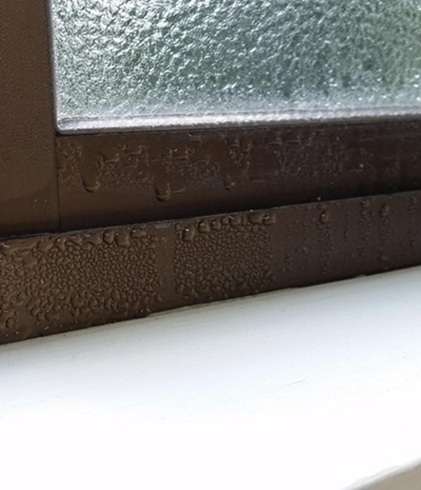
It is one of the most common causes of damp in homes.
Moist air can get trapped inside if there is not enough ventilation.
Typical signs include:
- water on windows or window sills
- black, green, yellow, or white mould on walls, ceilings or other surfaces
- musty or damp smells
- peeling paint or plaster
The longer it's left, the harder it can be to treat.
Penetrating damp
Penetrating damp is most commonly where water finds its way into the property from the outside. This usually happens when part of the building is damaged or not working properly.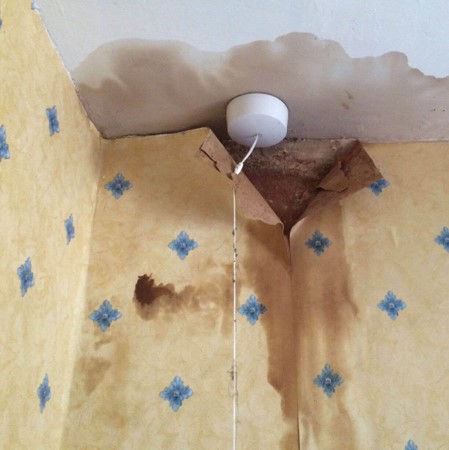
Typical signs include:
- damp patches on your walls that get bigger after rainfall
- black mould appearing on the inner walls
- peeling, blistering or damaged paint and plaster
- signs of wet rot in wooden floors, skirting boards or wall timbers
Common causes include:
- leaking or blocked gutters or pipes
- damaged roof tiles
- cracks in brickwork
- damaged window or door seals
This should be dealt with as soon as possible to prevent further damage to your home.
Rising damp
Rising damp happens when moisture from the ground rises up through walls or floors. This occurs through tiny gaps in materials such as brick and mortar.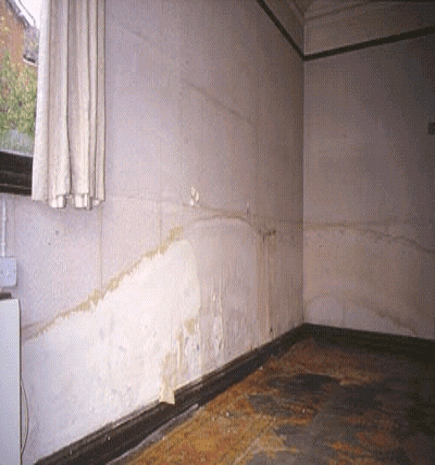
Most modern homes have a damp‑proof course (DPC), which stops moisture rising. Rising damp mainly affects older properties where the DPC has failed, been damaged, or was never installed.
Typical signs include:
- tidemarks on walls, usually no higher than around one metre
- yellow or brown staining on walls
- wallpaper peeling or lifting at the bottom of walls
- white powdery salts or crystals on wall surfaces
Rising damp is usually limited to the lower part of walls and does not affect upper floors.
